Stump Grinding for Pest Prevention: Stop Termites & More
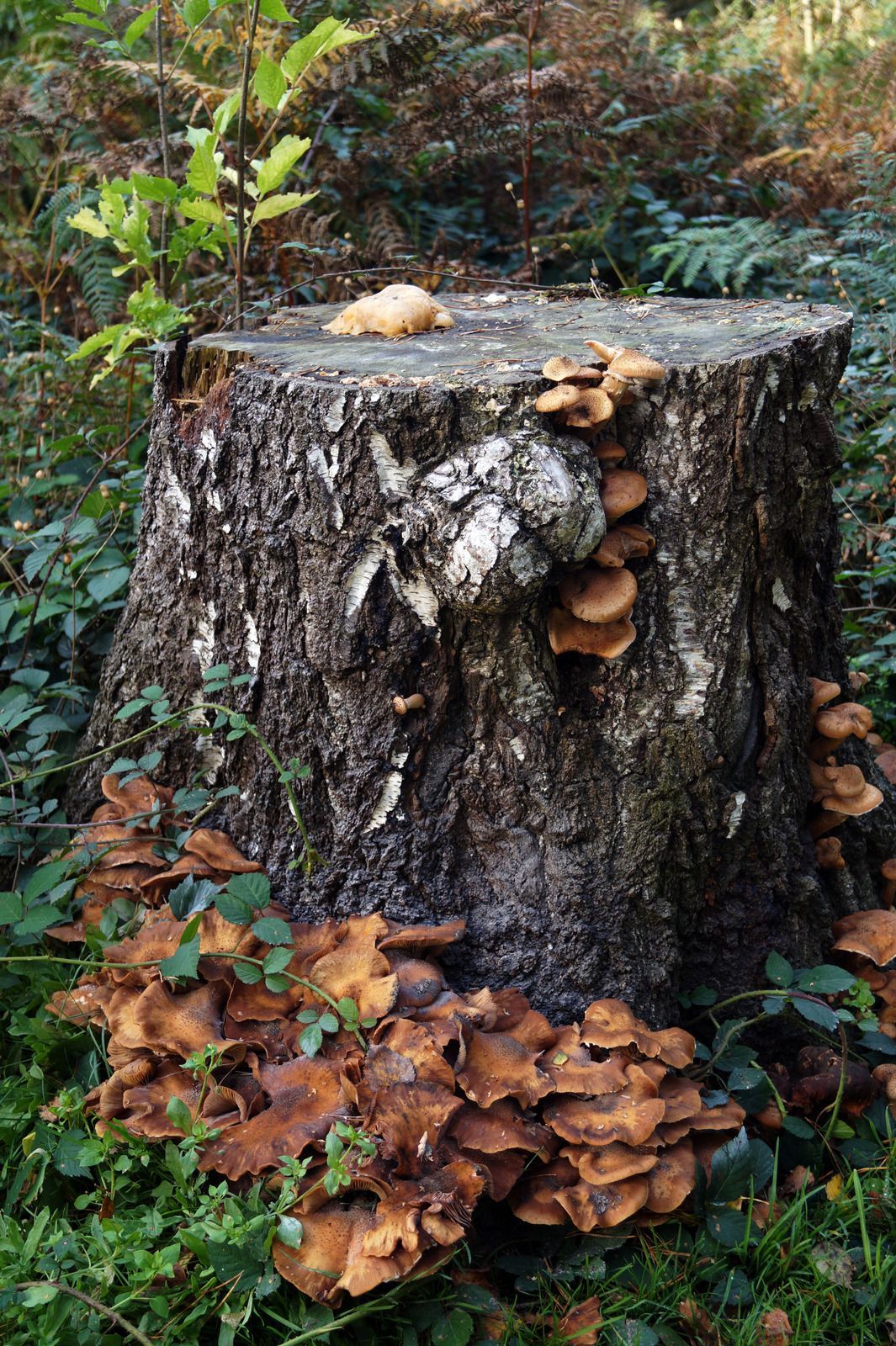
Tree stumps may seem harmless once a tree is removed, but they are more than just an eyesore in your yard. Left unattended, stumps create a breeding ground for pests that can threaten the health of your property and surrounding plants. In particular, termites, ants, beetles, and other wood-dwelling insects are attracted to decaying stumps. These pests can spread from the stump to nearby trees, shrubs, or even the wooden structures of your home. Ignoring stump removal can therefore lead to structural damage, costly repairs, and ongoing maintenance headaches. Additionally, decaying stumps can harbor fungi and mold that compromise soil quality, further impacting plant health and potentially creating slippery or unsafe conditions in your yard. Recognizing these hidden dangers is the first step toward protecting both your landscape and your home.
Stump grinding is an effective, practical solution to mitigate these risks while also enhancing the appearance and usability of your outdoor space. By eliminating the core of decaying wood, property owners can disrupt the life cycle of pests, reduce the risk of infestations, and maintain healthier landscapes. This process is more than cosmetic; it is a preventive measure endorsed by landscaping and pest control professionals. Beyond pest control, stump grinding also prevents unwanted tree regrowth and allows for better land utilization, whether for new planting, landscaping projects, or recreational use. Understanding the connection between leftover stumps and pest activity equips homeowners with the knowledge to protect both their property and investments. In the sections that follow, we explore the science behind stump-related pest problems, practical removal techniques, and best practices for long-term prevention.
Understanding the Pest Risk of Tree Stumps
Why Stumps Attract Pests
Tree stumps retain moisture and organic material, creating a perfect habitat for insects and fungi. Termites, in particular, thrive in decaying wood, using it for both food and shelter. Carpenter ants are similarly drawn to stumps, burrowing into the soft wood to build colonies. Even beetles and wood-boring insects can establish themselves in neglected stumps, laying eggs that produce generations of wood-damaging pests. Beyond insects, fungi and mold can accelerate decay, weakening the stump and making it even more attractive to pests.
Real-World Examples
Consider a suburban backyard where a large oak tree was removed but the stump was left behind. Within months, homeowners noticed termite activity spreading toward a nearby deck. In another case, a pine stump became infested with beetles, resulting in damage to a garden shed constructed from untreated lumber. These scenarios illustrate how even a single, unremoved stump can compromise the health and safety of surrounding structures and landscaping.
Pest Prevention Insight
Preventing pest infestations begins with understanding the environment that attracts them. Stump grinding eliminates the core wood, removing the primary food source for termites and other pests. This proactive step reduces the risk of infestation before pests migrate to nearby trees or wooden structures, making it a critical aspect of landscape management and home maintenance.
Stump Grinding Explained
What is Stump Grinding?
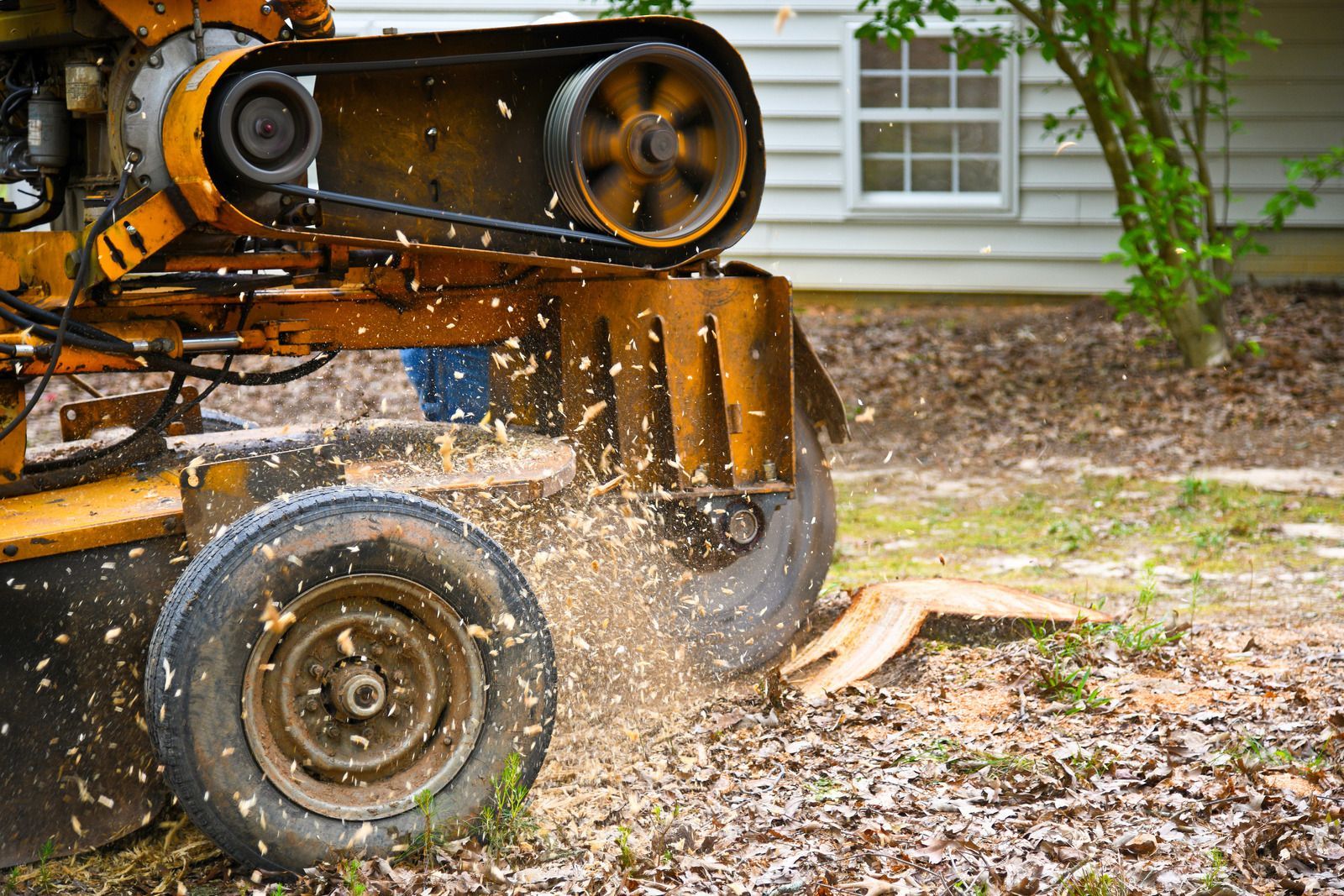
Stump grinding is the process of mechanically removing the exposed portion of a tree stump using specialized equipment. A stump grinder uses a rotating cutting wheel with sharp teeth to chip away wood until the stump is reduced to below ground level. Unlike manual removal, which can be labor-intensive and potentially dangerous, stump grinding offers a controlled, efficient, and precise method to eliminate stumps of any size.
Advantages Over Traditional Removal
Traditional stump removal often involves digging, pulling, or chemical treatments. These methods can be time-consuming, environmentally risky, or incomplete. Stump grinding offers several advantages:
- Speed: Large stumps can be ground down in a matter of hours rather than days.
- Safety: Eliminates the risk of injury associated with manual removal.
- Effectiveness: Ensures complete removal of the stump to prevent regrowth.
- Pest Control: Reduces wood material that attracts termites, ants, and beetles.
Post-Grinding Benefits
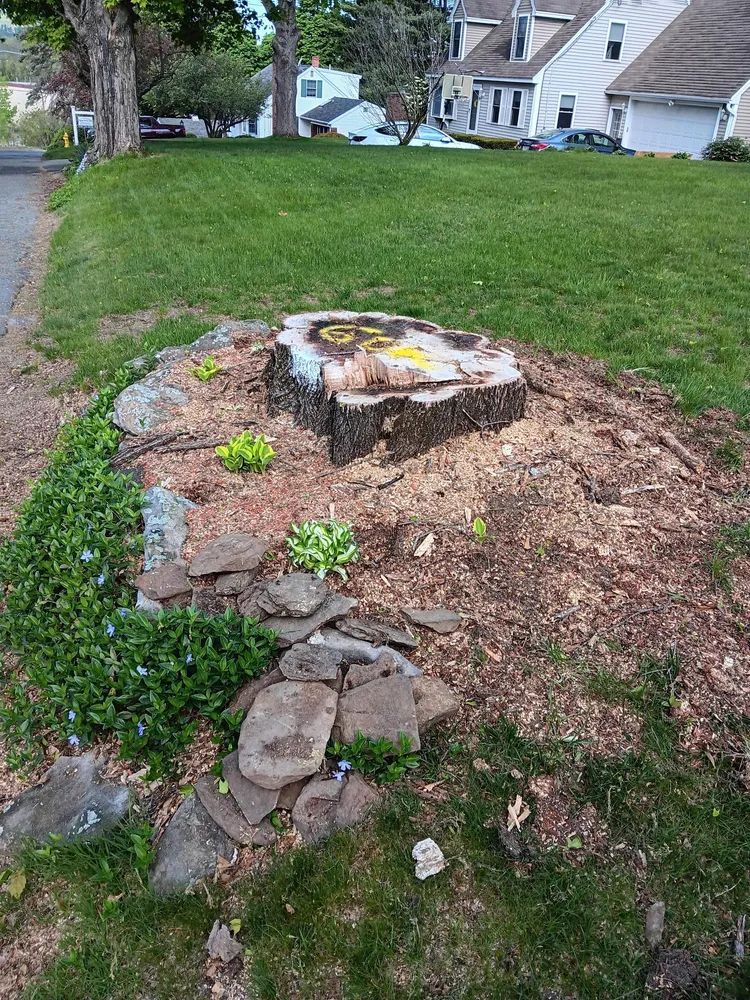
Once the stump is ground, the remaining wood chips can be repurposed as mulch for gardens or landscaping. This not only contributes to sustainable yard practices but also ensures the ground is free from debris that could harbor pests. Furthermore, ground stumps allow for replanting or expanding usable yard space, enhancing both aesthetics and functionality.
How Stump Grinding Prevents Termites and Other Pests
Eliminating Termite Habitats
Termites require cellulose-rich materials like wood for sustenance. Stump grinding removes the bulk of this material, disrupting termite colonies and preventing infestations from spreading to nearby trees or structures. Homeowners who invest in regular yard maintenance and stump removal experience significantly lower termite activity compared to properties with decaying stumps.
Reducing Ant and Beetle Colonies
Carpenter ants and wood-boring beetles also rely on stumps for nesting. Grinding the stump to below ground level destroys the soft wood they burrow into, eliminating nesting opportunities. This proactive approach prevents insects from establishing colonies that could later affect wooden fences, decks, or sheds.
Supporting Overall Landscape Health
By removing stumps, homeowners not only protect structures but also improve soil drainage and aeration. Decaying stumps can trap moisture, creating conditions conducive to fungal growth and attracting additional pests. Stump grinding ensures that the surrounding landscape remains balanced, reducing the likelihood of infestations and promoting healthier plants and trees.
Best Practices for Stump Grinding and Pest Prevention
Assessing the Stump
Before grinding, evaluate the size, location, and species of the tree stump. Hardwood stumps may require more effort due to density, while softwoods can be removed relatively quickly. Understanding the species helps anticipate potential pest activity, as certain trees attract specific insects.
Hiring Professional Services
While small stumps may be manageable for DIY projects, professional stump grinding ensures safety, efficiency, and thorough removal. Experts use commercial-grade equipment capable of grinding stumps below the soil surface and removing debris. Professional services also often include pest inspections and recommendations for preventing future infestations.
Timing and Seasonal Considerations
The best time to grind stumps is during dry periods when soil is firm. Moist soil can hinder equipment performance and make grinding more difficult. Additionally, removing stumps before pest seasons, such as spring and summer, can prevent insects from colonizing the wood.
Post-Grinding Care
After grinding, fill the hole with soil or mulch to restore the landscape and discourage pest habitation. Applying pest-resistant treatments to nearby trees or structures can further minimize the risk of future infestations. Regular inspections ensure that any remaining root material or debris does not become a breeding ground for pests.
Challenges and Solutions in Stump Grinding
Root Systems and Underground Debris
Stumps often have extensive root networks, some of which can extend several feet underground. While stump grinders target above-ground portions, large roots may require additional excavation. Professionals use specialized equipment to address these challenges, ensuring a complete removal that eliminates pest habitats.
Equipment and Safety Concerns
Operating a stump grinder without proper training can be dangerous. The machine’s cutting wheel moves at high speeds and can eject wood chips forcefully. Safety gear, such as goggles, gloves, and protective clothing, is essential. Hiring certified professionals reduces the risk of accidents and ensures the process is executed efficiently.
Cost Considerations
While stump grinding is an investment, it is often more cost-effective than dealing with termite or pest infestations later. In addition to protecting property, the procedure increases usable yard space and reduces future maintenance costs, making it a financially sound decision.
Long-Term Pest Prevention Strategies
Integrating Stump Grinding into Yard Maintenance
Regularly inspecting your yard for old stumps, decaying trees, and pest signs is key to maintaining a pest-free environment. Integrating stump grinding into your routine maintenance schedule ensures that potential pest habitats are eliminated before infestations occur.
Complementary Measures
Beyond grinding stumps, consider applying beneficial mulch, maintaining proper drainage, and trimming trees and shrubs to reduce pest-attracting conditions. Pest-resistant landscaping choices, such as planting species less prone to infestations, further support a healthy outdoor environment.
Monitoring and Follow-Up
After stump removal, ongoing vigilance is essential. Periodically check surrounding trees, wooden structures, and soil for signs of termites, ants, or beetles. Prompt intervention can prevent small issues from escalating into costly problems.
Professional Service Focused on Termite Prevention Success
Tree stumps are more than a leftover nuisance; they are potential gateways for pests like termites, carpenter ants, and wood-boring beetles. Stump grinding is a strategic solution that not only restores the usability and aesthetics of your yard but also serves as a proactive measure against infestations. By understanding the risks associated with decaying stumps, property owners can implement effective pest prevention techniques that protect both landscaping and structural integrity.
Trusted Expertise for Safe and Effective Stump Grinding
At Big Beaver Stump Grinding, located in Westminster, Massachusetts, we bring over 20
years of experience in
professional stump grinding
and pest prevention. Our team specializes in safely removing stumps of all sizes, ensuring that your property is free from potential pest habitats. Using advanced equipment and industry-best practices, we provide thorough, efficient service that prioritizes both safety and long-term landscape health. We understand the importance of preventing termite infestations and other wood-dwelling pests, and our proven techniques help safeguard homes, yards, and structures across the Westminster area. With our commitment to excellence, attention to detail, and deep understanding of pest prevention strategies, homeowners can trust Big Beaver Stump Grinding
to deliver reliable results, protect their investments, and enhance the beauty and functionality of their outdoor spaces.