How Long Does Stump Grinding Take? Timeline & Process
Removing a tree stump is often an overlooked step in yard maintenance, yet it plays a crucial role in improving both the aesthetics and safety of outdoor spaces. Whether you’ve recently completed a tree removal or inherited a property with unsightly stumps, understanding the stump grinding process can save you time, money, and unnecessary frustration. Stumps left in place can create hazards, attract pests, and even interfere with landscaping projects, making their removal a practical necessity. Additionally, leftover stumps can hinder new landscaping designs or prevent the installation of patios, walkways, and lawn features, reducing the overall usability of your outdoor area. Proper stump removal ensures a smooth, level yard, ready for any project or recreational use. However, many homeowners struggle with one key question: how long does stump grinding actually take? The answer is not one-size-fits-all, as several factors influence the duration, from the size of the stump to the type of equipment used.
Professional stump grinding is a precise and methodical process designed to break down stumps into manageable wood chips while minimizing disruption to your property. By exploring the timeline and steps involved, homeowners and property managers can better plan for stump removal, anticipate costs, and ensure a smooth experience. Beyond the immediate benefits, understanding the process helps prevent mistakes that could damage surrounding landscaping or create safety hazards. This guide will break down the stump grinding process, factors affecting timing, and expert tips for efficient and effective stump removal. Whether you’re tackling a single stump or managing multiple trees, understanding this process is the first step toward a clear, functional yard and a safer, more attractive outdoor environment.
1. Understanding Stump Grinding
What Is Stump Grinding?
Stump grinding is the process of mechanically removing a tree stump by reducing it into small wood chips using specialized machinery called stump grinders. Unlike full tree removal, which uproots the entire root system, grinding focuses primarily on the visible stump and some portions of the roots. This approach is less invasive, safer, and faster for most residential and commercial properties.
Why Homeowners Opt for Grinding
Many property owners choose stump grinding for its efficiency and long-term benefits. Stumps left in the yard can:
- Interfere with mowing and landscaping
- Attract pests such as termites or ants
- Become tripping hazards for children and pets
- Cause decay that may affect nearby plants
Grinding is particularly favored over manual digging, as it minimizes soil disturbance, reduces labor time, and produces wood chips that can be repurposed as mulch or compost.
Equipment Used in Stump Grinding
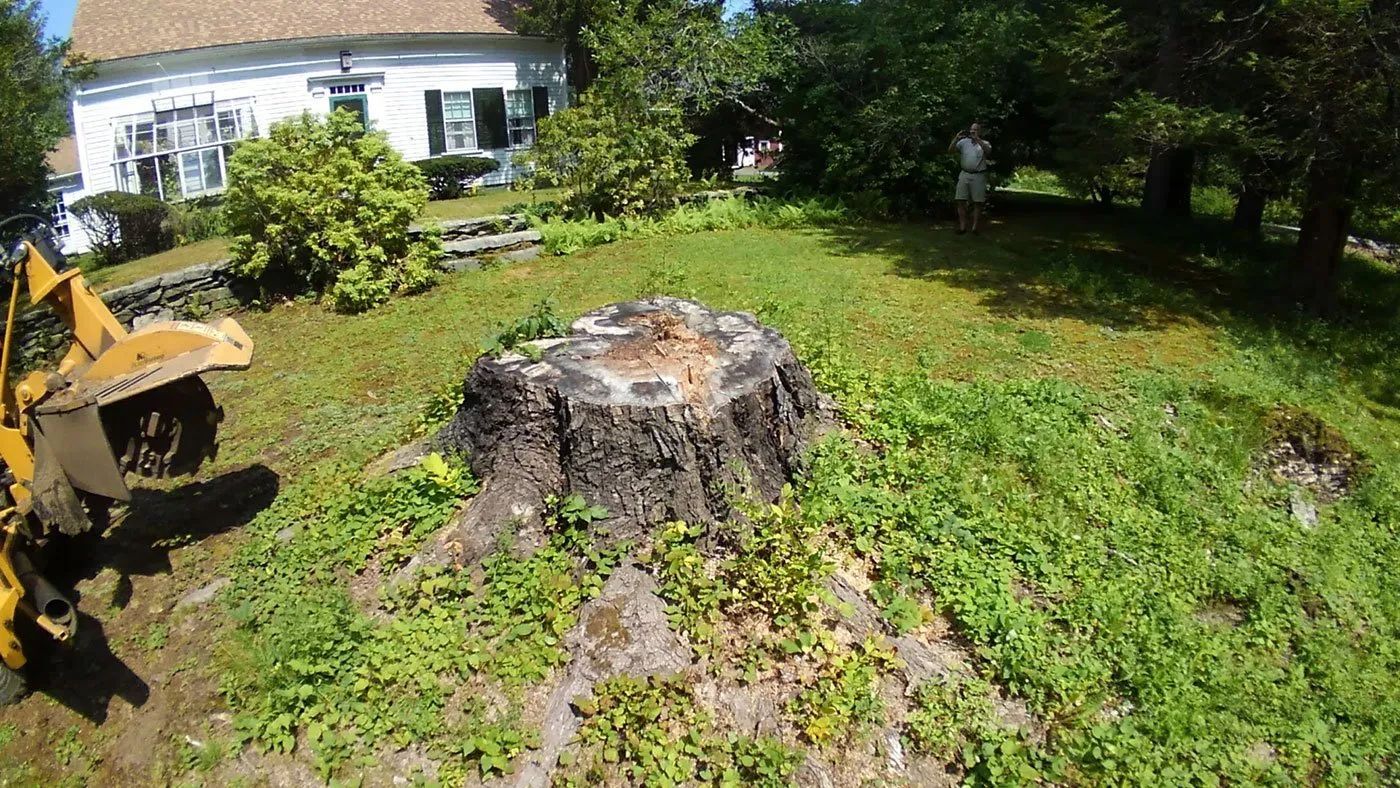
Stump grinders vary in size and power, from walk-behind models for smaller stumps to large ride-on machines capable of handling mature trees. Understanding the equipment used provides insight into the time required for the process. Small, residential grinders can remove stumps in under an hour, while larger industrial grinders are designed for high-volume or large-diameter stumps, completing jobs more efficiently on commercial properties.
2. Factors Affecting Stump Grinding Duration
Stump Size and Diameter
One of the most significant determinants of grinding time is the stump’s size. Larger stumps naturally require more passes with the grinding wheel to break down the wood to the desired depth. For example:
- Small stumps (under 12 inches in diameter) can often be ground in 15–30 minutes.
- Medium stumps (12–24 inches) may take 30–60 minutes.
- Large stumps (over 24 inches) could require one to several hours.
Diameter is more impactful than height; a tall, narrow stump is generally quicker to grind than a short, wide one.
Root Structure and Depth
The extent and depth of a tree’s root system also play a role. Trees with extensive lateral roots or deeply anchored taproots demand extra grinding passes to ensure the stump does not resprout. Species such as oak or hickory, known for dense wood and deep roots, often take longer to grind than softwoods like pine.
Location and Accessibility
The stump’s position in your yard influences how quickly equipment can be deployed and maneuvered. Stumps near fences, garden beds, or structures require careful navigation, which slows down the process. Open, easily accessible areas allow the operator to work efficiently, whereas cramped or obstructed spaces may double the time required.
Equipment Type and Operator Experience
Professional operators with advanced, powerful grinders typically complete jobs faster than DIY attempts using smaller, rented equipment. Experience matters, as skilled operators know optimal grinding angles, depth progression, and safety procedures to prevent equipment damage or property harm.
3. The Step-by-Step Stump Grinding Process
Step 1: Site Preparation
Before the grinder touches the stump, preparation is essential. The operator clears debris, rocks, and nearby obstacles to prevent damage to both the machine and property. Safety barriers may be set up to protect children, pets, and passersby.
Step 2: Positioning the Grinder
The grinder is positioned next to the stump, typically on level ground. The operator checks that the machine can reach all sides of the stump and plans the grinding path. Ride-on grinders require slightly more space than walk-behind models but handle larger stumps more efficiently.
Step 3: Grinding the Stump
The grinder’s rotating wheel with cutting teeth is lowered onto the stump surface, shaving away the wood in layers. Operators gradually work around the stump in a circular pattern, moving from the edges toward the center. Grinding continues until the stump is reduced to the desired depth, usually 4–12 inches below ground level to prevent regrowth.
Example: A 20-inch oak stump may take 45 minutes with a professional ride-on grinder, while a 6-inch pine stump could be completed in under 15 minutes.
Step 4: Managing Wood Chips
As the stump is ground down, wood chips are generated. Some operators leave chips in the hole for soil enrichment, while others remove them for landscaping purposes. Managing these chips efficiently can impact overall project timing.
Step 5: Optional Root Grinding
For stumps with large, intrusive roots, the operator may grind visible roots extending beyond the stump perimeter. This additional step prevents future tripping hazards and ensures a smooth, level surface for planting, construction, or turf replacement.
Step 6: Cleanup and Final Touches
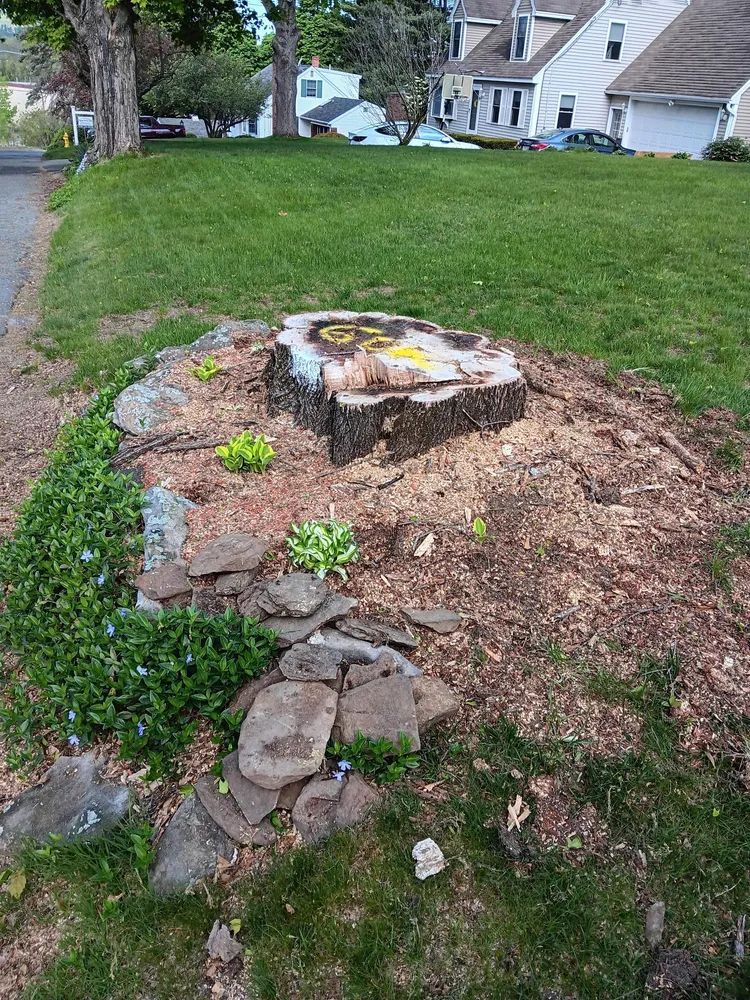
After grinding, the area is raked, and loose chips are removed or spread as mulch. Depending on homeowner preference, some may fill the cavity with topsoil for replanting or leave it as-is for natural decomposition.
4. Typical Timeline for Stump Grinding
Small Residential Jobs
For small-scale residential jobs, one stump may be completed in 15–60 minutes, depending on size and accessibility. A homeowner removing multiple stumps in a single day can often complete the job in 2–4 hours.
Medium Stumps and Yard Projects
Medium-sized stumps, particularly those over a foot in diameter or with moderate root systems, usually require 45–90 minutes each. For properties with several stumps, a half-day or full-day project is common.
Large or Commercial Stumps
Large stumps from mature trees, often over 2 feet in diameter or located in commercial landscapes, can take several hours per stump. Projects involving multiple large stumps may span several days, particularly if the site has restricted access or difficult terrain.
Planning Considerations
Homeowners should factor in:
- Travel and setup time for equipment
- Safety briefings and protective measures
- Clean-up and soil preparation after grinding
A realistic timeline prevents frustration and helps schedule other yard projects efficiently.
5. Challenges and Considerations
Hard Wood and Old Stumps
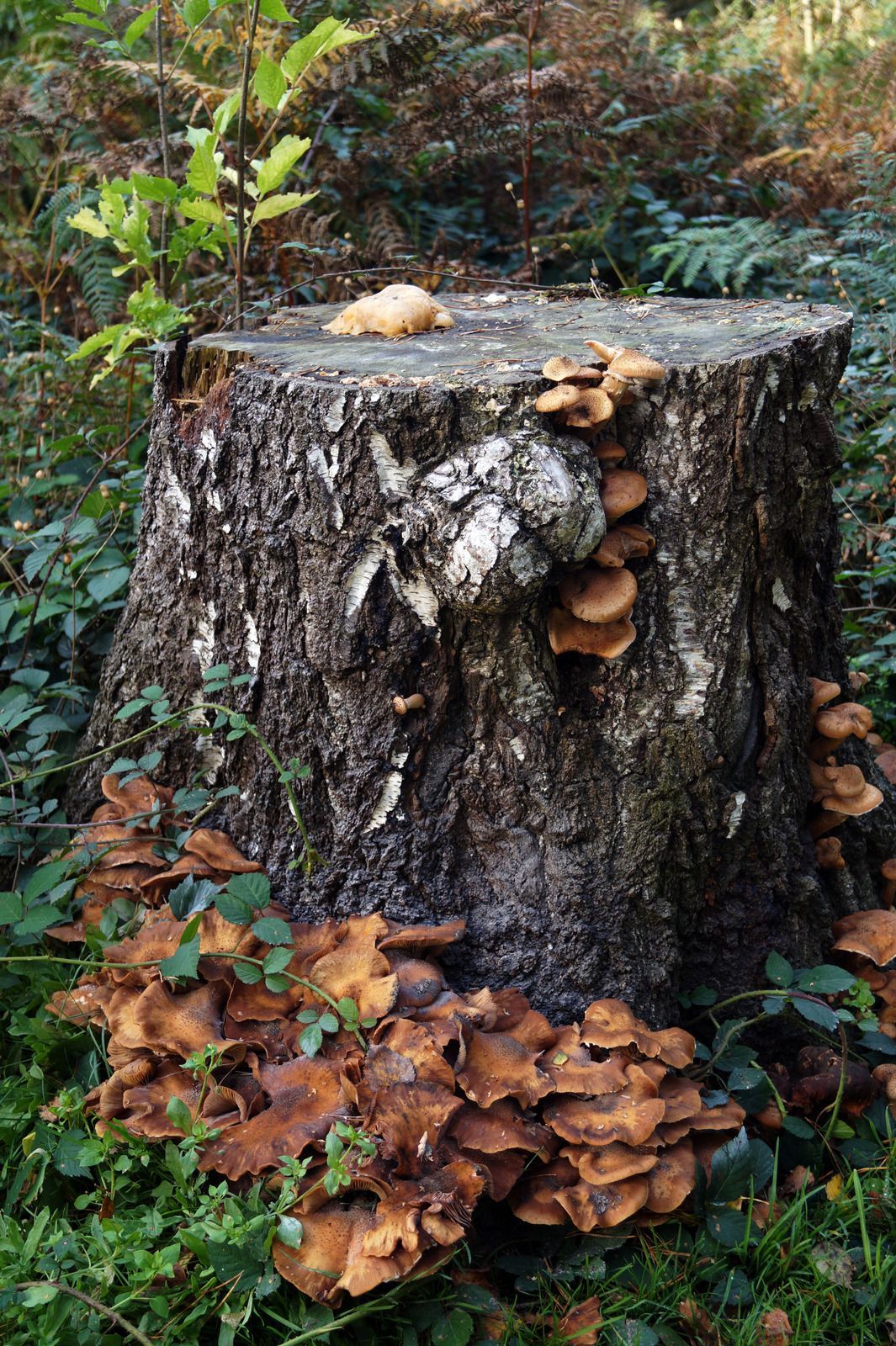
Stumps from hardwood species or trees that have been dead for several years can be significantly harder to grind. Wood may be dry and dense, requiring more passes and slowing the process. Pre-assessing stump type can help determine whether extra time or specialized equipment is necessary.
Proximity to Structures
Grinding near decks, fences, or underground utilities requires careful handling. Operators may work more slowly to avoid damage, sometimes supplementing the grinder with hand tools to protect property.
Safety and Regulations
Local regulations may dictate disposal methods for wood chips or require permits for commercial work. Safety is always a priority; operators wear protective gear and ensure bystanders remain at a safe distance. Awareness of these requirements ensures the project progresses smoothly without delays.
Weather and Soil Conditions
Wet, muddy, or frozen ground can affect machine traction and efficiency, potentially lengthening the stump removal timeline. Dry, stable soil provides optimal conditions for swift, effective grinding.
Professional Stump Grinding with Big Beaver Experience
Stump grinding is a practical solution for homeowners and property managers seeking to remove unsightly or hazardous tree remnants efficiently. While the time required varies depending on stump size, wood type, root structure, equipment, and accessibility, understanding the overall process helps set realistic expectations. By following professional techniques and best practices, homeowners can achieve a clean, level yard quickly and safely, while minimizing damage and ensuring long-term usability of the space.
For trusted, experienced stump grinding services in Westminster, Massachusetts, Big Beaver Stump Grinding
stands out as a reliable choice. With over 20
years of expertise, the company offers comprehensive stump removal solutions tailored to both residential and commercial properties. Their professional team utilizes advanced equipment and proven techniques to efficiently tackle stumps of all sizes, ensuring minimal disruption to your yard. Whether handling small residential stumps or large commercial projects, Big Beaver Stump Grinding
combines skill, experience, and dedication to provide safe, thorough, and dependable service, making them a trusted authority in the industry