Grindings Left Behind After the Stump's Gone? What to Do With the Mulch
Quick Answer: The pile left after stump grinding is a mix of coarse wood chips, fine sawdust, and some soil. Most of it can be put to work as mulch around trees, shrubs, and perennial beds, spread 2 to 3 inches deep and kept at least 6 inches from any trunk. Fresh grindings pull nitrogen from soil if they are dug in, so they belong on top of the ground, not mixed into a vegetable bed without extra fertilizer. Grindings that came from a diseased tree, or that contain a lot of root material, should be handled more carefully or hauled off. Whatever you keep, use the first few weeks to decide where it goes, because a loose mound left in the open turns into a muddy, weedy mess faster than most people expect.
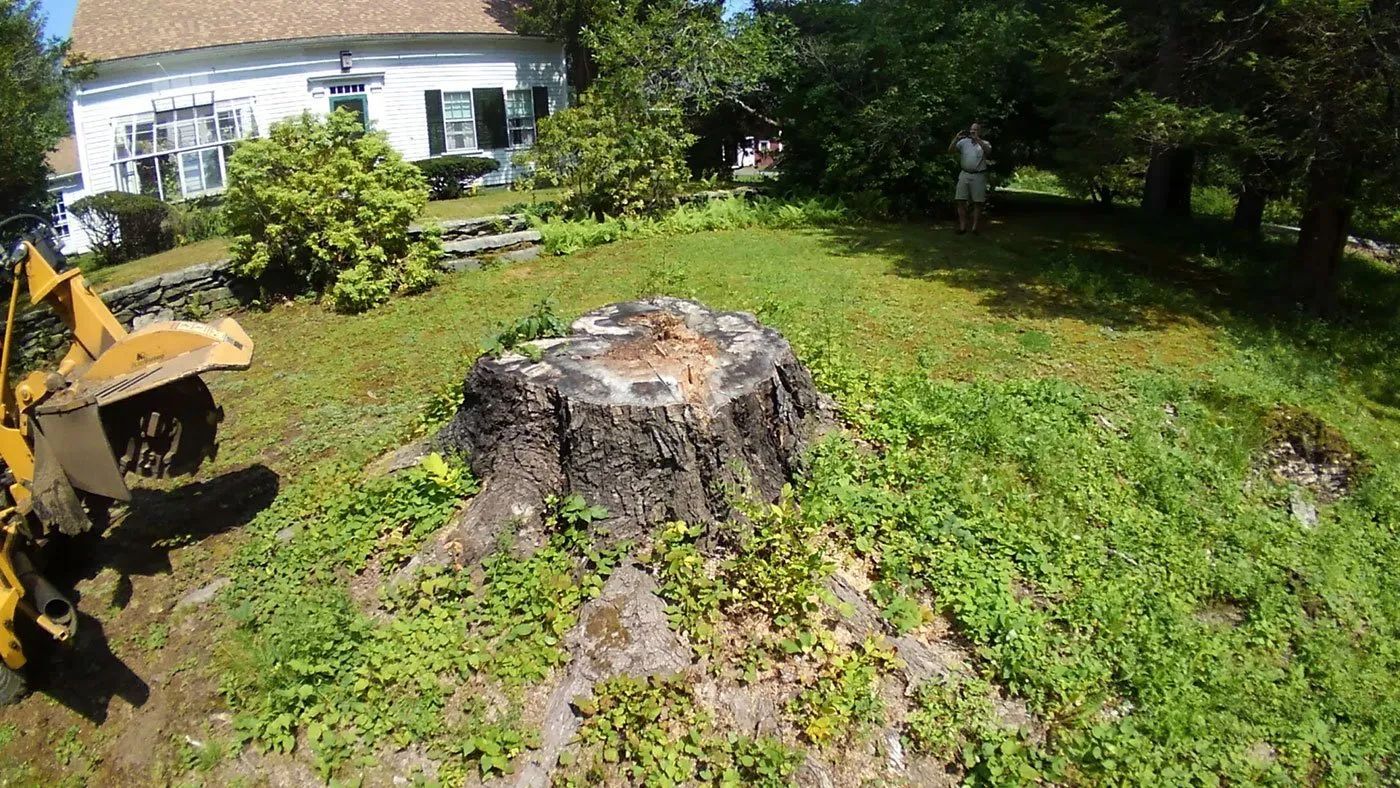
The crew packed up and the stump is finally gone. You walk out the back door with your coffee and the first thing you notice is not the empty spot where the tree stood. It is the heap of brown chips and sawdust piled over it, maybe two or three wheelbarrow loads of it, sitting right where the lawn used to be. It smells like fresh cut wood, and it is a lot more material than you pictured when the stump looked small.
That mound is the leftover of what once was a solid piece of hardwood, and it is not trash. It is also not finished mulch. Knowing the difference saves you from piling it where it causes trouble, and it keeps you from hauling away something that would have done real good in a bed or along a fence line.
What Is Actually in That Pile
A stump grinder does not slice wood the way a chipper does. A spinning wheel with carbide teeth chews the stump down below grade, and what comes out is a rough mix of chunks, shreds, and fine sawdust. Because the cutting wheel goes below the soil line, some dirt and small stones get pulled in with it. In north central Massachusetts and southern New Hampshire, where the ground is rocky and often heavy with clay, that dirt content can be noticeable, especially from the bottom few inches of the cut.
The wood itself depends on the tree. Oak and maple, the hardwoods that dominate yards around Westminster, Fitchburg, and Gardner, give you dense, dark chips that break down slowly. Pine and other softwoods give you lighter, stringier material that decomposes a little faster. In both cases the grindings are fresh, which matters because fresh wood behaves differently from the aged bark mulch you buy in a bag.
The pile also holds more than just the trunk. If the crew ground down surface roots and the root flare, part of that material is root wood, which is a separate matter where disease is concerned, covered below.
Using Grindings as Mulch the Right Way
For most yards, the best use is the simplest one: rake it up and spread it over bare ground as mulch. Wood chips are slow to break down and release nutrients gradually, and they do a good job holding back weeds. The target depth for trees and shrubs is 2 to 3 inches, spread in a wide band, with a thinner layer of 1 to 2 inches over the root ball of newly planted material. Perennial beds do well at 2 to 3 inches too.
The one rule that matters more than depth is distance from the trunk. Keep mulch at least 6 inches back from the base of any tree. Mulch piled against bark holds moisture against it, invites decay and insects, and gives voles a sheltered place to chew. People call the tall cone version a mulch volcano, and a pile of fresh grindings makes it very easy to build one by accident, because there is so much material on hand.
Wide and thin beats narrow and deep every time. If you have more than your beds can take at that depth, do not make the layer thicker. Find another spot instead.
Tip:
Spread the grindings in a ring that starts several inches away from the trunk and runs outward past the drip line of the tree, rather than stopping at the edge of the bed. Roots reach far beyond the canopy, and the outer ring is where moisture and weed control help the most.
Why You Should Not Dig Fresh Grindings Into the Soil
It feels logical to work the pile into a garden bed to improve the soil. With fresh wood, it backfires. The fungi and bacteria that break down wood chips need nitrogen to do it, and when chips are mixed into the soil they draw that nitrogen from the ground around plant roots. Plants in that bed can end up pale and slow, even though the soil looks rich and dark.
If you do want to mix chips into a garden bed, add fertilizer to make up for it. A common rule of thumb from experienced gardeners is to raise your normal fertilizer application by about a quarter. On top of the soil as mulch, the same chips do not cause the problem, because the breakdown happens at the surface and only the thin layer touching the ground is affected. For vegetable beds, spread chips on the paths between rows and keep them off the planting rows.
When to Be Careful: Diseased Trees and Root Material
Most of what comes out of the grinder is harmless. A few cases are not. If the tree was removed because of disease, or if the stump itself showed signs of root rot, the grindings can carry the problem with them. Wood from the lower trunk, root crown, and roots can hold decay organisms such as honey fungus and water mold pathogens, which can live in root material and soil. University plant health guidance advises that this material should not be spread beyond the area that was already affected unless it has been treated. Drying out thoroughly reduces the risk for many organisms, and heat from composting can handle others, but the safest move for a known problem tree is to ask the crew to haul the grindings away.
Vascular wilt diseases are the more serious end of that list. Chips from a tree that died of a wilt should not become mulch for healthy trees nearby. If you are not sure why your tree came down, ask the crew or the arborist who took it down before you spread anything.
Warning: Do not spread grindings from a tree that died of disease under other trees or shrubs of the same kind. A stressed or susceptible plant sitting in a thick layer of infected chips is the setup you want to avoid. If there is any doubt about the cause, keep the pile off your beds.
Using Grindings to Fill the Hole
Right after grinding, the spot where the stump stood is a shallow bowl packed with chips. Many people leave it that way for a season or two, and that is fine, but expect it to sink. As the wood in the hole breaks down, the volume shrinks, and the spot settles into a dip. That is the reason grindings alone are a poor choice for a final fill if you plan to put grass or a patio there.
For a lawn, the usual approach is to scoop out most of the chips, fill with clean topsoil, firm it down, and seed. Leave only a modest amount of chips at the bottom, and plan to top the spot off once or twice over the first year as it settles. If you want to plant a shrub or tree there, use soil from outside the grinding area for the planting hole itself, and mulch with the chips on the surface.
Rock is another factor in this region. When the crew grinds a stump in New England soil, there may be small stones and glacial gravel mixed into the bottom of the pile. Rake those out before the material goes onto a bed or a path where they will work back up through the surface.
Storing a Pile Through a New England Season
If you cannot use the grindings right away, the pile will wait, but how it waits depends on the time of year. In summer, a big heap of fresh chips holds moisture and heat inside, and the center can warm up as the wood begins to break down. Keep a large mound away from the house, deck, and any wood siding, and turn or spread it if it starts to steam. In fall, wet leaves landing on top add to the mess and make the pile harder to manage. In winter it freezes into a solid mass that is nearly impossible to shovel until a thaw, and in early spring it sits in mud.
A good plan is to move the grindings within a few weeks of the job, spread them in thin layers where they are needed, and set aside a smaller amount in a spot with good drainage, for example on a tarp or a patch of bare ground at the edge of the yard, for touch ups later. A tarp over the pile keeps rain from turning it into a soggy lump and helps stop weed seeds from settling into it.
Other Ways to Put Grindings to Use
Beyond garden beds, there are a few practical places for chips. Pathways through a wooded back corner of the property, around a play area, or beside a vegetable bed are all good spots, since the chips are soft underfoot and keep weeds down. A thin layer along a fence line cuts down on trimming. Piled on top of a patch of lawn you plan to turn into a bed next year, a few inches of chips smother the grass and prepare the ground.
Grindings also work in a compost pile as a carbon source, balancing grass clippings and kitchen scraps. Mix them in small amounts so the pile does not turn sour or slow down.
If you have no use for the pile, you do not have to deal with it yourself. The question of what to do with it is better asked before the job than after, so tell the crew whether you want to keep it, spread it, or have it taken away.
Frequently Asked Questions
Can I use fresh stump grindings as mulch right away?
Yes, as a top layer around trees, shrubs, and perennials. Spread it 2 to 3 inches deep and keep it 6 inches from trunks. The nitrogen issue only arises when chips are mixed into soil.
Will stump grindings hurt my garden plants?
Not on top of the soil in a normal mulch layer. Digging fresh chips into a bed can tie up nitrogen and pale the plants, so add fertilizer or keep them on paths and around established plants.
Is it safe to use grindings from a diseased tree?
Use caution. Lower trunk and root wood can carry decay organisms, and chips from a wilt disease should not go near healthy trees of the same kind. When the cause is unknown, have them hauled off.
Why does the spot sink after I fill the hole with grindings?
The wood chips decompose over months and shrink in volume, so the filled area settles. Use topsoil for the final fill under grass, and expect to top it off a time or two the first year.
How long can I leave the pile before it becomes a problem?
A few weeks is fine in most seasons. A large heap can heat up in summer and freeze solid in winter, so spread or move it soon and keep any big pile away from wood siding.
Can I compost stump grindings?
Yes, in small amounts mixed with green material like grass clippings and kitchen scraps. The chips act as a carbon source that balances the pile. Too much at once slows the whole thing down.
Should the mulch come all the way up to the base of a tree?
No. Keep it back at least 6 inches. Mulch against the trunk can cause bark decay, invite insects, and give voles cover to chew the bark, so leave a clear ring.
What if I do not want any of the grindings?
Say so before the job starts and ask about having the pile taken away. That avoids a mound of chips sitting on the lawn and smothering the grass underneath it while you decide.
Planning the Pile Beats Hauling It Twice
The mound left after grinding is neither trash nor finished mulch, and knowing that difference is what keeps it from becoming a problem. Most of it earns its place spread 2 to 3 inches deep around trees and shrubs, held well back from any trunk, and kept on top of the soil rather than dug into a bed. The pieces that need more care, the root wood and anything from a diseased tree, are the ones to set aside or send off instead.
The real trick is deciding where the chips go in the first few weeks, before a loose heap turns into a muddy, weedy lump over a sinking patch of lawn. Big Beaver Stump Grinding
has spent 20
years taking stumps below grade across Westminster, MA, and Derek will talk through the leftover material before the machine even starts. Settle the plan for the grindings up front, and you walk away with useful mulch rather than a mess to clean up later.