How to Choose a Stump Grinding Company in Westminster, MA: 8 Questions to Ask Before You Hire
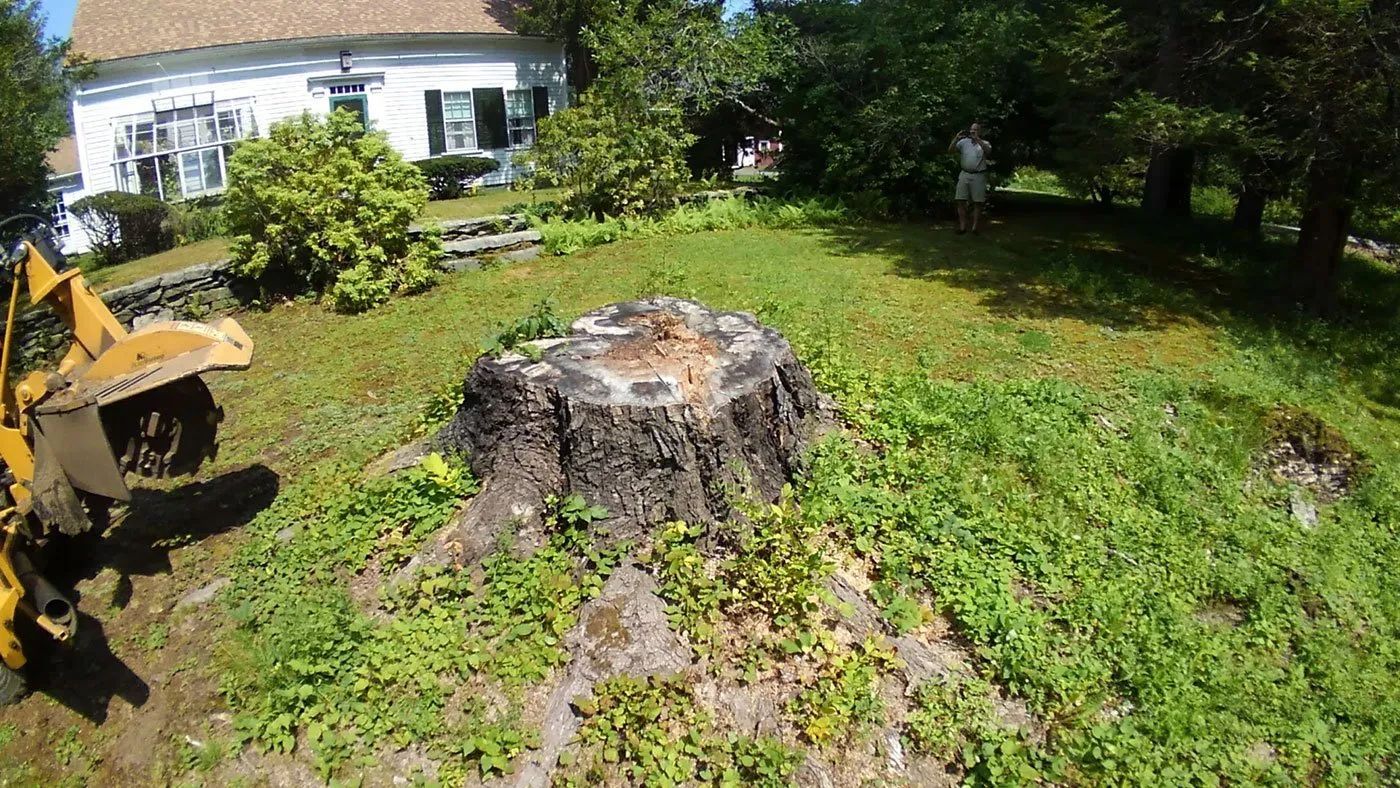
You finally had that old maple taken down, and now a wide stump sits in the middle of your yard like it owns the place. You want it gone, the grass back, maybe a garden bed where it used to be. So you start calling around, and every outfit sounds about the same on the phone. They all promise a clean job and a fast turnaround. The trouble is that stump grinding in this part of Massachusetts is not as simple as it looks, and the wrong crew can leave you with regrowth, a buried root mass, or a lawn full of debris you never planned for.
The single most useful thing you can do before you hire anyone is ask the right questions. Not about how fast they can show up, but about how they actually handle the grind, the roots, and the rocky ground we deal with around here. The eight questions below come straight from what matters most on real jobs in Westminster and the surrounding towns.
1. How deep will you grind the stump below the surface?
Depth is the question that separates a finished job from one you will fight again later. Grinding only the crown to ground level leaves you a flat top with the whole root collar still sitting just under the surface. To plant grass, lay sod, or build over the spot, you want the stump taken down 8 to 12 inches below grade. We grind that deep on standard residential stumps so the area is ready for topsoil and seed, not just hidden from view for one season.
2. What happens to the wood chips and the hole left behind?
A single grind can produce far more material than people expect, often enough to mound a foot over the original stump. Ask whether the chips get spread, hauled off, or simply left in a pile for you to deal with. We talk through the backfill and final grade before we start, because chips settle and decompose over the next year, and a hole that looks level on day one can sink into a low spot if nobody accounts for it.
3. Do you grind the roots, or only the visible stump?
The part you see is a small fraction of the problem, since roots can run 10 to 15 feet out from the trunk on a mature tree. Surface roots crossing a walkway, driveway edge, or patio keep lifting and cracking long after the stump is gone. Ask whether surface root grinding is included or treated as an extra job. We assess the root flare and any exposed runners during the walkthrough so nothing gets left behind to heave your hardscape.
4. How do you handle rocks, ledge, and New England soil?
North central Massachusetts ground is loaded with glacial till, granite, and shallow ledge, and that changes the whole job. A cutting wheel that hits a buried rock can dull or chip teeth and stall the grind, so the right crew expects it and works around it instead of forcing the machine. Ask how they adjust when they hit stone. We slow down, reposition, and work the wheel at angles that protect the equipment and keep the grind moving rather than gouging your soil.
5. Will you check for underground utilities before grinding?
Grinding a foot down can reach things you forgot were there, including irrigation lines, invisible pet fence wire, low voltage landscape lighting, and shallow service runs. Cutting one of those turns a simple stump job into a repair headache. Ask whether the area gets marked and inspected first. We walk the full work zone before the wheel ever spins, flag what we find, and keep the grind clear of anything shallow so you are not patching a sprinkler line next weekend.
6. How will you protect my lawn, driveway, and landscaping?
Depth is the question that separates a finished job from one you will fight again later. Grinding only the crown to ground level leaves you a flat top with the whole root collar still sitting just under the surface. To plant grass, lay sod, or build over the spot, you want the stump taken down 8 to 12 inches below grade. We grind that deep on standard residential stumps so the area is ready for topsoil and seed, not just hidden from view for one season.
7. How do you keep the stump from growing back?
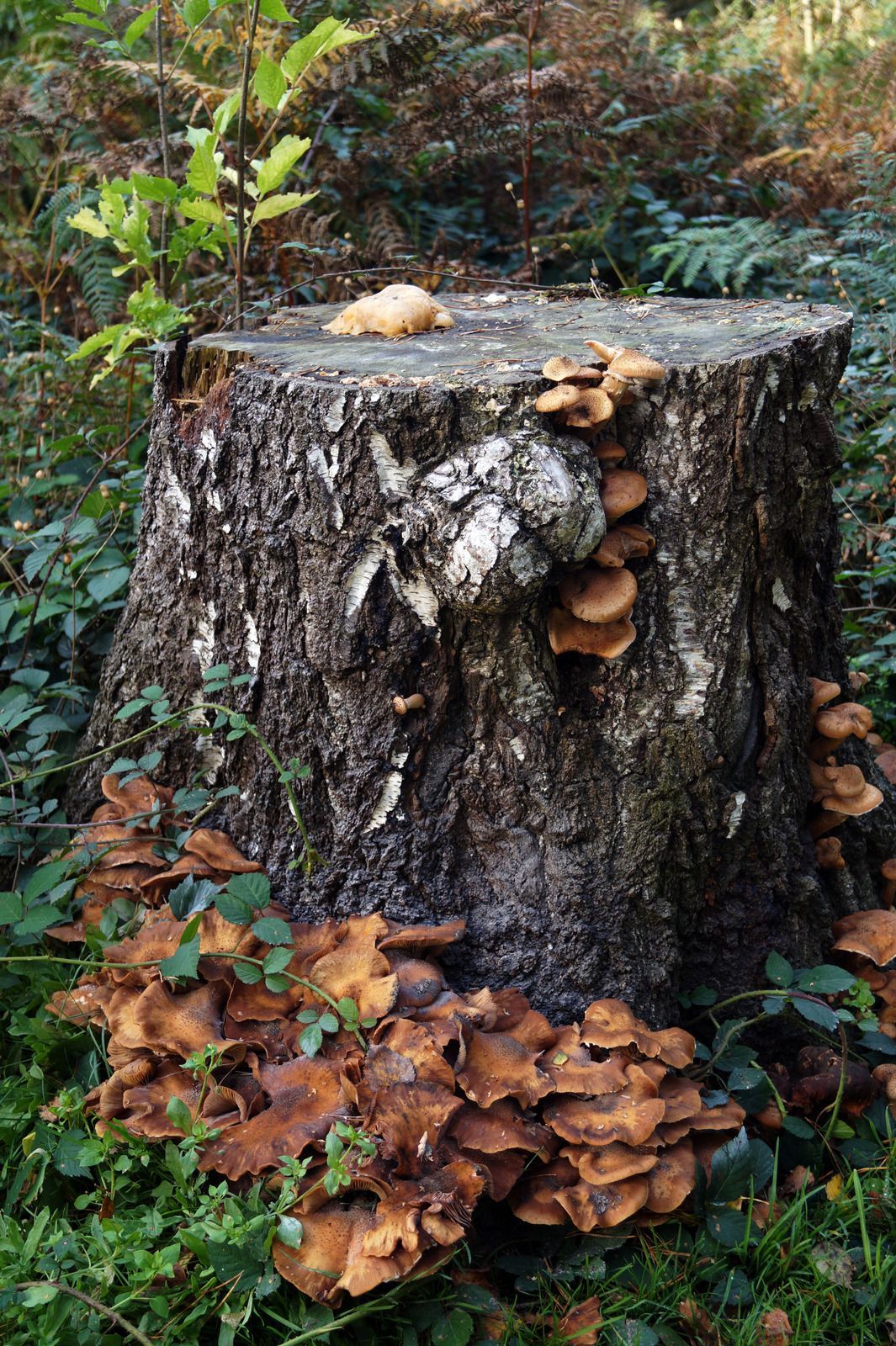
Regrowth is a real risk with certain species, and a shallow grind almost guarantees it. Trees like Norway maple and black locust send up suckers from the root system whenever the crown is removed but the roots keep their stored energy. Grinding only the top leaves all that energy in the ground. Ask specifically how depth and root work prevent regrowth. We grind deep enough and clear enough of the root collar that the stump has nothing left to push new shoots from the following season.
8. Will you look at the stump in person before committing to a plan?
A real assessment happens on site, not over a text photo. Pictures hide the things that decide how a grind goes, including true diameter, root spread, slope, soil conditions, and how tight the access is. A company willing to walk your property is a company that takes the job seriously. We come out, measure the stump, read the ground around it, and explain exactly how we will approach it before any commitment, so there are no surprises once the machine arrives.
Red Flags That Should Make You Walk Away
Some answers tell you more than others, and a few should end the call. Be wary of any company that quotes a firm plan over the phone without ever seeing the stump, since that almost always means surprises once they arrive and realize what the ground actually holds. Watch out for vague answers about grind depth, because a crew that cannot tell you how far below grade they go is usually grinding to the surface and nothing more. Pressure to decide on the spot is another warning sign worth taking seriously. A crew dodging questions about how they protect your lawn, your septic field, or your irrigation lines is telling you those things are not on their radar, and that is exactly where the expensive mistakes happen.
The companies worth hiring around Westminster welcome these questions because they have answered them on hundreds of jobs and have nothing to hide. When someone gets defensive instead, that tells you most of what you need to know.
What the Ground in Westminster Does Differently
Local conditions shape every grind here in ways that crews from outside the area tend to underestimate. The soil is shallow over ledge in many neighborhoods, so a stump that looks routine can sit directly on rock, which changes how the wheel has to work and how much of the root system can actually be reached. Freeze and thaw cycles run hard through the cold months, lifting surface roots and old grindings and turning a level patch into an uneven one by spring. Drainage matters too, since the heavier soils common around town hold water and slow how fast leftover chips break down, which affects when you can replant. We factor all of this in from the first walkthrough, reading the slope, the moisture, and the rock before we ever start cutting, because a grind that ignores Westminster ground is a grind you end up redoing.
What a Quality Grind Should Leave Behind
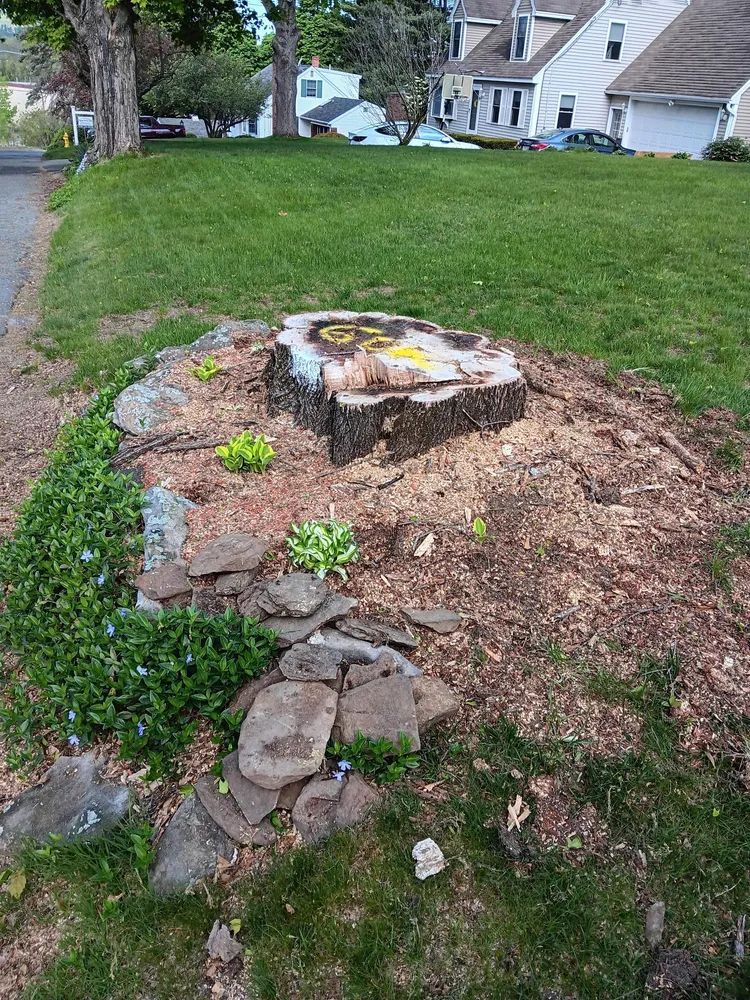
The finished job should look like the stump was never there, and that is a fair standard to hold any crew to. You want a clean depression ground well below grade, surface roots taken down where they crossed walkways or beds, and the chips either removed or graded back so nothing settles into a sinkhole later. The work zone should be raked, the turf around it intact, and any markers for utilities or sprinkler lines still in place and undisturbed. We treat the cleanup as part of the grind rather than an afterthought, because a tidy site is the clearest proof the job was done with care. If a company leaves ruts, scattered debris, or a half ground stump barely under the surface, no amount of speed makes up for it. Knowing what good looks like puts you in control of the hire from the very first conversation.
Proven Stump Grinding Service for Westminster and Beyond
The real test of any stump grinding company is not how fast they answer the phone but how clearly they answer these eight questions. Around Westminster, rocky ledge, frost heave, and stubborn root systems make a sloppy grind far more likely to come back and haunt you, which is why local experience matters more here than in the flatter, softer parts of the country. At Big Beaver Stump Grinding, we have spent 20 years grinding stumps the right way across Westminster, Massachusetts, going deep enough to plant over, clearing the roots that drive regrowth, and leaving your yard ready for whatever comes next. When you are ready to reclaim that patch of ground, reach out and we will come walk it with you.