Common Mistakes to Avoid When Grinding Tree Stumps
Tree stump grinding is one of the most effective ways to remove unwanted stumps, reclaim valuable yard space, and protect the surrounding landscape from pests and decay. While the process may appear straightforward, it requires technique, experience, and a solid understanding of both equipment and environmental factors. Homeowners and even some contractors can underestimate the complexity of stump grinding, which often leads to preventable mistakes that result in property damage, safety risks, or incomplete stump removal. In an industry where efficiency and precision matter, knowing what not to do is just as important as knowing the right techniques.
As more homeowners choose stump grinding over full stump removal due to its affordability and minimal invasiveness, understanding the common pitfalls becomes even more important. Whether dealing with newly felled trees or decades-old stumps, a misstep in preparation, equipment handling, depth control, or safety precautions can lead to costly consequences. This blog takes a detailed, expert-level look at the most common mistakes people make when grinding tree stumps and provides clear, practical guidance to avoid them. By identifying these challenges proactively, property owners can make smarter decisions, protect their yard, and ensure a more efficient and professional stump grinding outcome.
1. Inadequate Site Preparation Before Grinding
Failing to Clear Debris and Obstacles
One of the earliest and most frequent mistakes occurs before the grinder ever touches the stump. Rocks, roots, twigs, and yard debris left around the stump can interfere with the machine’s cutting wheel. When debris isn’t properly cleared, it can dull the grinder teeth, cause dangerous kickbacks, or lead to uneven grinding patterns. Property owners should thoroughly inspect the area and remove surface-level obstacles to reduce risks and ensure a smooth operation.
Ignoring Underground Utilities
Another critical oversight involves failing to locate underground utilities. Electrical lines, water pipes, cable conduits, and irrigation systems may sit closer to the surface than expected. Grinding without calling the local utility marking service can create hazardous situations, resulting in expensive repairs or serious injuries. A professional-grade assessment ensures that stump grinding only affects the tree root system, not vital underground connections.
Overlooking Surrounding Landscape Features
Flower beds, sprinkler heads, stone edging, and nearby structures can be damaged by flying wood chips or improper machine positioning. Proper site preparation means evaluating the entire area and taking steps to protect plants, fixtures, and hardscape surfaces. Installing protective barriers or adjusting the grinder’s angle can help preserve the surrounding landscape.
2. Using Incorrect or Poorly Maintained Equipment
Dull or Damaged Grinder Teeth
Stump grinder teeth must be sharp to cut efficiently through wood and roots. Using dull or damaged teeth is one of the biggest contributors to slow grinding, overheating, and uneven cutting depths. The machine strains more, produces excessive vibration, and increases the likelihood of costly mechanical issues. Regular inspection and replacement of cutting teeth ensure optimal grinding performance.
Wrong Grinder Size for the Job
Many stump removal failures begin with an incorrect equipment selection. Smaller, homeowner-grade grinders struggle with large hardwood stumps or stumps with deep root networks. On the other hand, commercial-grade grinders may be excessive for small residential tasks and can cause unintended turf damage. Selecting the right grinder size—based on stump diameter, wood hardness, and location—ensures both efficiency and safety.
Lack of Routine Equipment Maintenance
A neglected grinder is more likely to malfunction mid-project. Common maintenance oversights include failing to lubricate pivot points, skipping engine oil changes, or ignoring belt tension issues. Stump grinding relies heavily on consistent machine power and stability. Regular maintenance checks prevent sudden breakdowns and guarantee that the grinding process remains smooth and reliable.
3. Improper Grinding Technique and Depth Control
Grinding Too Shallow
One of the most common mistakes is grinding the stump too shallow, often leaving root flares and deeper wood structures behind. Shallow grinding can lead to stump regrowth, attract insects, or cause the ground to sink over time as the remaining wood decomposes. To avoid these issues, grinding should typically reach 6 to 12 inches below ground level, depending on future landscaping plans.
Grinding Too Deep Unnecessarily
While grinding deep may seem beneficial, going far below recommended levels can cause equipment strain and unnecessary labor. Over-grinding is not only inefficient but can disrupt soil structure and drainage patterns. Proper depth control ensures the stump is removed sufficiently without creating additional landscape issues.
Not Using a Strategic Grinding Pattern
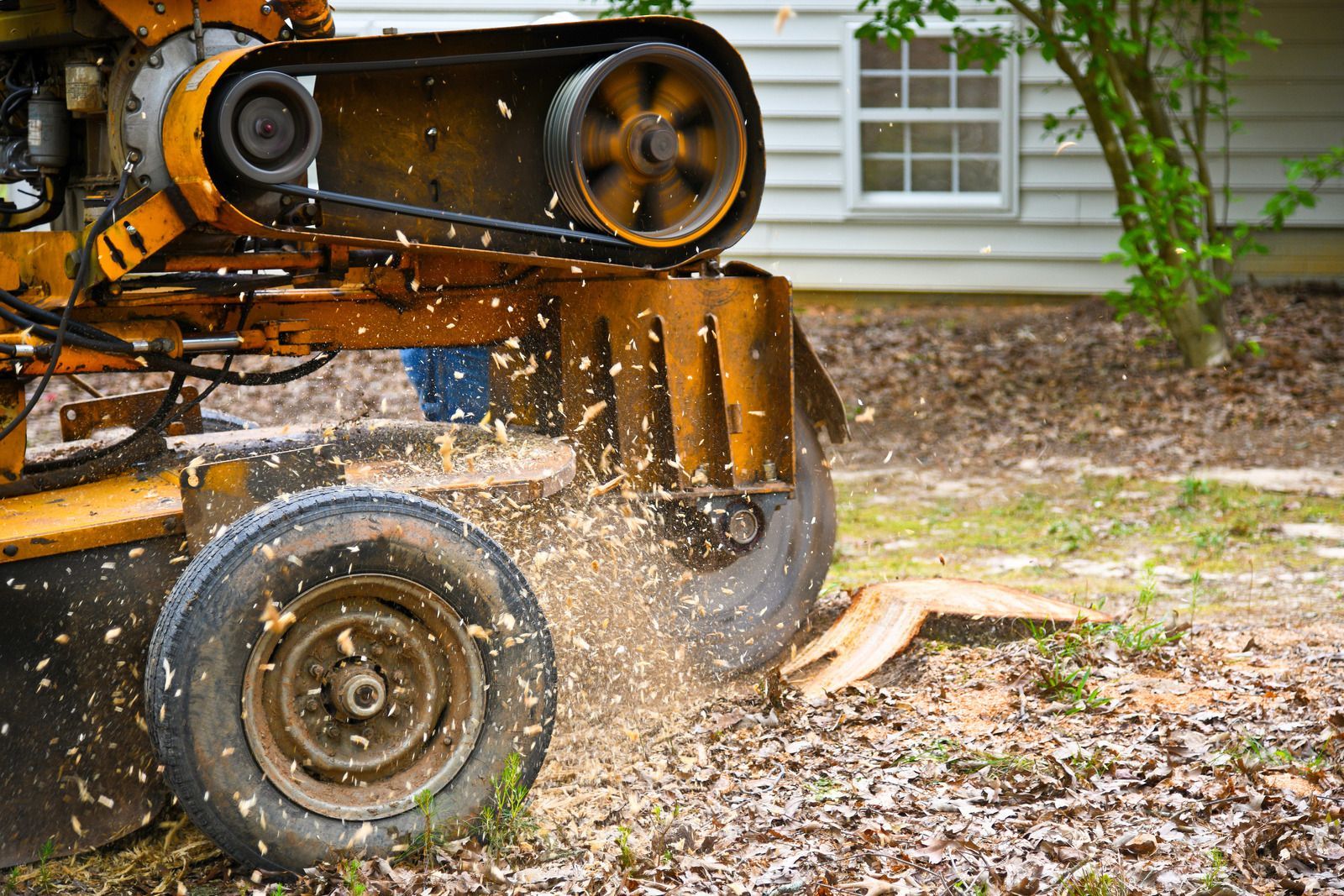
Effective grinding requires a systematic pattern that moves gradually across the stump from side to side. Random or erratic movements can lead to uneven surfaces, missed sections, or increased machine stress. A strategic rhythm allows the grinder to remove layers evenly and prevents overheating. Professional operators often begin at the front edge and rotate around the stump to maintain consistent depth and control.
4. Safety Mistakes During the Grinding Process
Not Wearing Proper Personal Protective Equipment (PPE)
Stump grinding produces high-speed debris, loud noise, and potential kickbacks. One of the most dangerous mistakes is grinding without proper PPE, including eye protection, hearing protection, gloves, steel-toed boots, and long sleeves. Wood chips can shoot several feet in all directions, and failure to wear appropriate gear increases the risk of serious injury.
Allowing Bystanders Too Close
Another common oversight is allowing children, pets, or observers near the grinding area. The force and velocity of flying debris make the area unsafe for bystanders. Maintaining a clear safety radius—typically at least 50 feet—helps protect individuals from unexpected projectiles or machine hazards.
Improper Machine Handling and Positioning
Incorrect positioning of the grinder can lead to physical strain, equipment instability, or reduced cutting efficiency. Operators should ensure the machine is on stable ground and that the cutting wheel makes smooth, controlled contact with the stump. Poor posture or rushed movements increase the risk of losing control of the grinder, which may cause unintended property damage or personal injury.
5. Overlooking Environmental and Yard Considerations
Ignoring Weather Conditions
Wet, muddy, or icy conditions can make stump grinding dangerous and ineffective. The machine may struggle to gain traction, and wood chips become more difficult to manage. Grinding during optimal weather ensures better visibility, smoother cutting, and more efficient cleanup.
Not Accounting for Root Spread
Many homeowners underestimate how far a tree’s roots extend. Failing to grind major root sections can leave tripping hazards, regrowth potential, or unsightly bumps across the yard. A thorough assessment of the root zone ensures all problematic roots are addressed.
Leaving Excess Debris After Grinding
Wood chips and grindings can accumulate quickly, forming thick layers that smother nearby grass or plants. While some homeowners choose to reuse grindings as mulch, excessive piles may block drainage or attract pests. Proper cleanup ensures the yard remains functional, healthy, and visually appealing.
6. Attempting DIY Stump Grinding Without Proper Expertise
Underestimating the Learning Curve
Many homeowners rent stump grinders believing the process is simple. However, stump grinding requires a combination of mechanical knowledge, physical strength, and safety awareness. Without experience, operators can struggle with machine control, depth precision, and hazard recognition. Improper DIY attempts often lead to incomplete stump removal or damaged equipment.
Not Understanding Wood Density and Tree Species
Different species grind at different rates. Hardwood species like oak or maple require more force and sharper grinder teeth, while softwoods grind more quickly. Failing to identify the stump type can result in uneven cuts, machine overuse, or wasted time. Knowledge of wood characteristics helps determine the most efficient grinding strategy.
Damaging Surrounding Property
DIY grinding frequently results in accidental damage to lawns, fences, garden beds, or walkways. The grinder’s power and mobility require precision, especially in tight spaces or near structures. Inexperienced operators may unintentionally strip turf, hit rocks, or misjudge turning radius.
Tree stump grinding is far more complex than it appears, and avoiding common mistakes is essential for achieving safe, efficient, and lasting results. From proper site preparation to equipment maintenance and correct grinding techniques, each step plays a vital role in the overall outcome. Overlooking safety, rushing the process, or choosing the wrong tools can lead to costly setbacks and long-term landscape issues. By understanding the pitfalls outlined in this guide, homeowners can make informed decisions, reduce risks, and ensure their property remains protected throughout the grinding process. Whether handling small residential stumps or large, deeply rooted ones, these insights help set the foundation for a smoother and more successful project.
Strengthening Your Knowledge of Proper Stump Grinding
For homeowners seeking reliable, professional stump grinding services, partnering with a trusted expert makes all the difference. Big Beaver Stump Grinding in Westminster, Massachusetts brings 20 years of hands-on experience to every project, delivering precise, efficient, and safety-focused stump grinding solutions. With a deep understanding of equipment performance, soil conditions, and tree species, the company ensures each stump is removed thoroughly and responsibly. Their team follows industry-leading best practices, avoids the common mistakes discussed in this blog, and ensures every project is handled with meticulous care. Whether you’re dealing with a single stump or multiple problem areas across your property, their professionals provide customized strategies tailored to your landscape’s unique needs. Homeowners benefit from reduced risks, enhanced curb appeal, and long-term protection of their outdoor space. With decades of proven results, we stand as a dependable authority forstump grinding services in the region—offering the expertise, commitment, and quality workmanship needed to keep your property healthy, clean, and fully restored.